- Contact Us
- +447471066570
- info@celd.org.uk



International Equal Pay Day 2025: Closing the Gaps, Honoring Women’s Worth
September 18, 2025
If Peace Had a Face, It Would Be a Woman – Celebrating United Nations Day 2025
October 24, 2025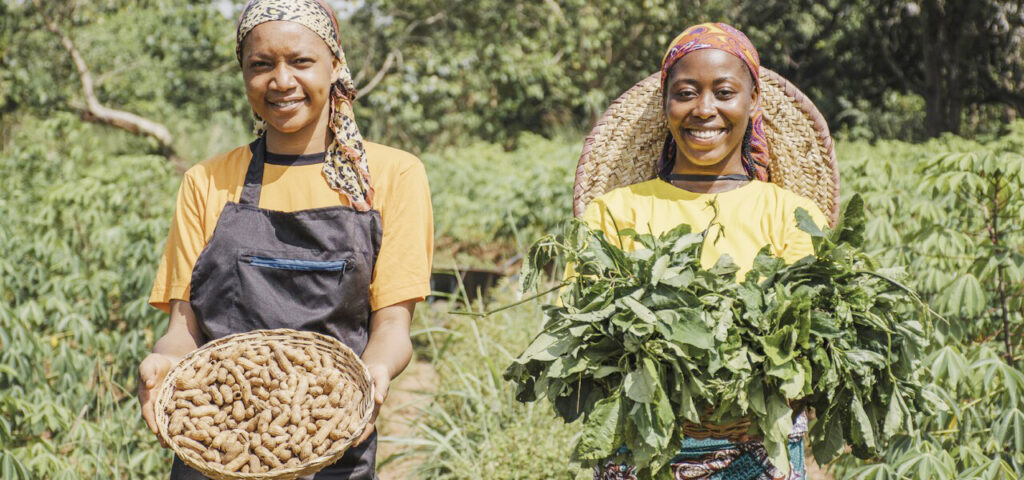
“If you want to go fast, go alone. If you want to go far, go together — and in the journey to end hunger, we go forward on the strength of women.”
— Dr. Qu Dongyu, Director-General, Food and Agriculture Organization (FAO)
Every year on October 16, the world celebrates World Food Day, marking the founding of the Food and Agriculture Organization (FAO) of the United Nations in 1945. This year, as FAO commemorates its 80th anniversary, the global theme — “Hand in Hand for Better Foods and a Better Future,” reminds us that ending hunger and malnutrition requires collective action, inclusivity, and innovation.
While millions around the world are burdened by food insecurity, women remain at the heart of the global food chain, yet often at the periphery of benefits and recognition. Around 673 million people still live without adequate food, even as obesity and food waste continue to surge in other regions. This paradox reflects a widening imbalance in global food systems, one where abundance and deprivation coexist side by side.
Women: The Silent Architects of Food Security
Women are the lifeblood of food systems, they plant, harvest, trade, cook, and nourish families and communities across every continent. According to FAO, women constitute nearly 43% of the agricultural labor force in developing countries, and in some parts of Africa and Asia, they produce up to 80% of food for household consumption.
Yet, despite their indispensable roles, women face systemic inequalities, limited access to land, finance, technology, and education. They are often the first to sacrifice meals in times of scarcity and the last to benefit from agricultural profits.
When women farmers have equal access to resources as men, agricultural productivity can rise by 20–30%, potentially reducing the number of hungry people globally by 150 million. Therefore, empowering women is not just an act of justice, it’s a strategy for global survival.
Climate Change, Conflict, and Women’s Unyielding Resilience
The burden of climate change and conflict-driven food crises falls heavily on women. Floods, droughts, and land degradation disrup
t food production, displacing millions and increasing poverty. Women, especially in rural communities, are often the ones adapting, finding alternative livelihoods, preserving indigenous seeds, or leading community gardens to ensure families survive.
In countries like Ethiopia, Nigeria, and Kenya, women-led cooperatives are revolutionizing local agriculture by introducing climate-smart farming, sustainable irrigation, and innovative post-harvest storage methods that reduce losses.
Their leadership is shaping a new narrative, one where women are not merely victims of food insecurity, but key agents of resilience and reform.
Nourishing Nations Begins with Empowering Women
Women’s empowerment in food systems is a catalyst for broader development. Studies reveal that when women control household income, more is spent on nutrition, education, and healthcare, ensuring better outcomes for children and communities.
Investing in women-led agribusinesses, supporting women innovators in food technology, and bridging the gender gap in agricultural policies are crucial to achieving Zero Hunger (SDG 2) and Gender Equality (SDG 5).
Empowered women nourish more than bodies, they feed economies, communities, and futures.
Sustainable Practices Everyone Can Embrace
To ensure a food-secure and sustainable future, we must adopt mindful practices:
- Support Women Farmers: Buy from local women producers and cooperatives.
- Reduce Food Waste: Plan meals, store food properly, and repurpose leftovers.
- Encourage Climate-Smart Agriculture: Advocate for eco-friendly farming methods.
- Promote Education and Equality: Support programs that give women access to training, finance, and markets.
Every small act, every conscious choice, brings us closer to a balanced, hunger-free world.
Centre for Economic and Leadership Development (CELD)’s Global Call to Action
At Centre for Economic and Leadership Development (CELD), we believe that women are the cornerstone of a hunger-free world. On this World Food Day 2025, we call upon global leaders, policymakers, development agencies, and citizens to walk hand in hand toward a future of fairness, nourishment, and sustainability.
We urge:
- Governments to invest in women-led agricultural initiatives that strengthen food systems, sustainability, and innovation.
- Policymakers to amplify women’s voices in decision-making on land use, food distribution, and resource allocation.
- Educational institutions and NGOs to champion digital inclusion and climate education for rural women, giving them access to agritech tools and data for smarter farming.
- Corporations and investors to create funding pipelines for women agripreneurs and sustainable food ventures, ensuring long-term impact.
- Communities and individuals to support local women farmers, reduce waste, and advocate for fair food systems in their everyday lives.
Together, we can build a world where no woman, man, or child sleeps hungry, a world where women’s hands cultivate hope, resilience, and prosperity for all.
The Future Is Nourished by Women
World Food Day 2025 reminds us that food security is not just a matter of production, it’s a matter of equity and empowerment. By investing in women, the world invests in healthier families, stronger economies, and a sustainable planet.
The path to better foods and a better future begins with women, the cultivators of the earth, the nurturers of humanity, and the changemakers leading us toward a nourished world.
The DIVAO Woman Newsletter Subscription
Subscribe to Echoes of the DIVAO Woman — a weekly reflective newsletter for women navigating leadership, power, purpose, and becoming with clarity and conviction.
Please enter your correct email address to access every latest edition